Wallet integration
Connect wallets, sign in with a wallet and link ownership to an account. Make network selection, approvals, rejected requests and transaction status understandable—not something users have to troubleshoot themselves.
Blockchain / Web3 development
Sydney studio · Australia-wideWe build wallet-connected applications, Solidity contracts and the systems around them. Based in Sydney, we work with teams across Australia to connect blockchain capabilities to a clear product need—not add a token where a database would do.
01 / Delivery scope
Connect wallets, sign in with a wallet and link ownership to an account. Make network selection, approvals, rejected requests and transaction status understandable—not something users have to troubleshoot themselves.
Implement token, NFT, claim and trade logic against an agreed specification. Define permissions, upgrade responsibilities and failure cases, with automated tests and testnet rehearsals before a production decision.
Turn contract functions into usable collection, minting, staking and reward journeys. Show the assets involved, required approvals, fees and pending or failed states before asking someone to sign.
Connect on-chain events to application data, APIs and operational tools. Plan transaction processing, retries, confirmation handling and support visibility so the product works beyond the initial wallet connection.
02 / Selected ecosystem work — Hatchyverse
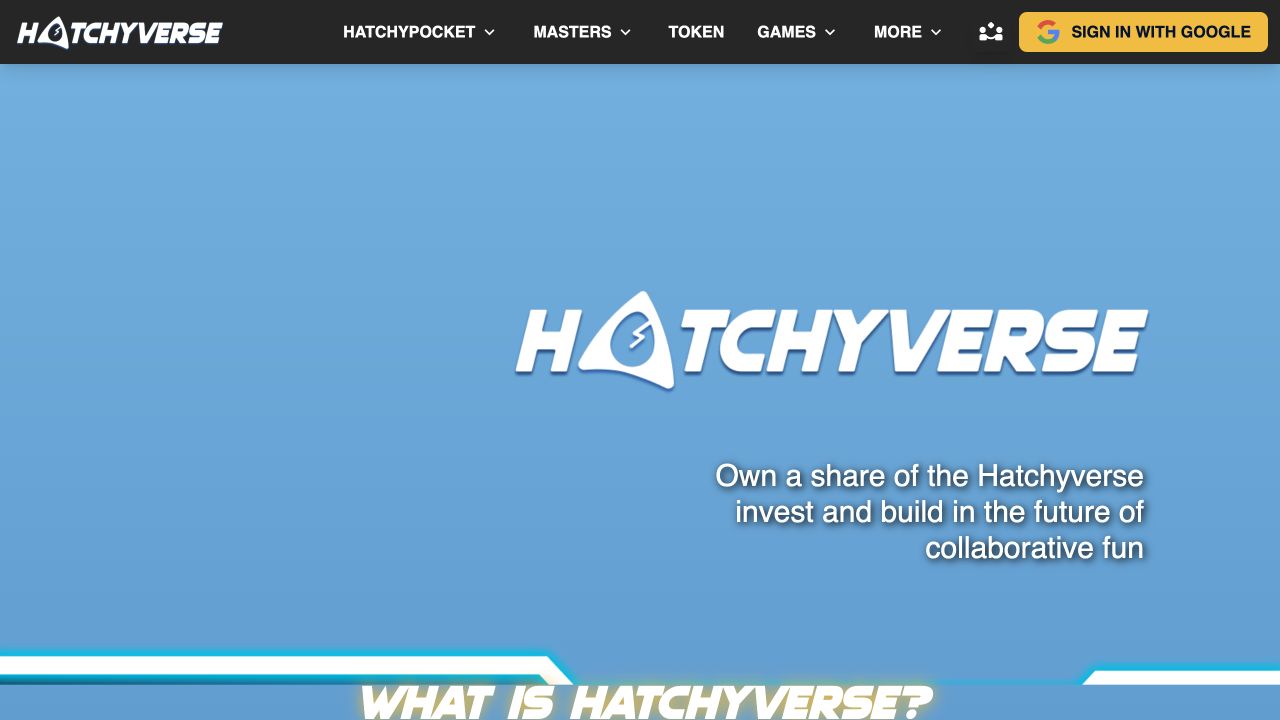
Hatchyverse connects a collectible universe with token, NFT and staking experiences. It is relevant context for the work of bringing ownership, account access and product interfaces together.
Explore the live project and its public documentation for the token, collectible and staking flows behind the interface. It shows why wallet state, approvals and account data need to be designed as one experience.
03 / Architecture before implementation
A blockchain can establish shared ownership or verifiable settlement. It does not replace every part of an application. We define those boundaries before choosing the stack.
04 / Before we build
Yes. A project can start with a wallet flow, contract integration or transaction backend rather than a full rebuild. We first review the existing code, deployed contracts, permissions and documentation to define a safe, useful scope.
That depends on users, existing assets, transaction costs and integration constraints. Hatchyverse provides relevant Avalanche ecosystem context. Support for any proposed network is assessed for the actual project; EVM compatibility alone is not a production-readiness guarantee.
No. Implementation and testing are separate from an independent security audit. Value-bearing production contracts should receive independent specialist review, with findings addressed and deployment responsibilities agreed before launch. We do not provide custody or investment advice.
Contract complexity, existing integrations, interface scope and operational requirements shape the build. Network gas, hosting, RPC providers and other third-party services can create separate fees. Independent security review is separately scoped; these costs should be clear before work begins.
Start a blockchain project
Tell us about your users, existing product, target network and the workflow you need to improve. We can scope a focused integration or a wider build. Do not send private keys, seed phrases or wallet credentials.